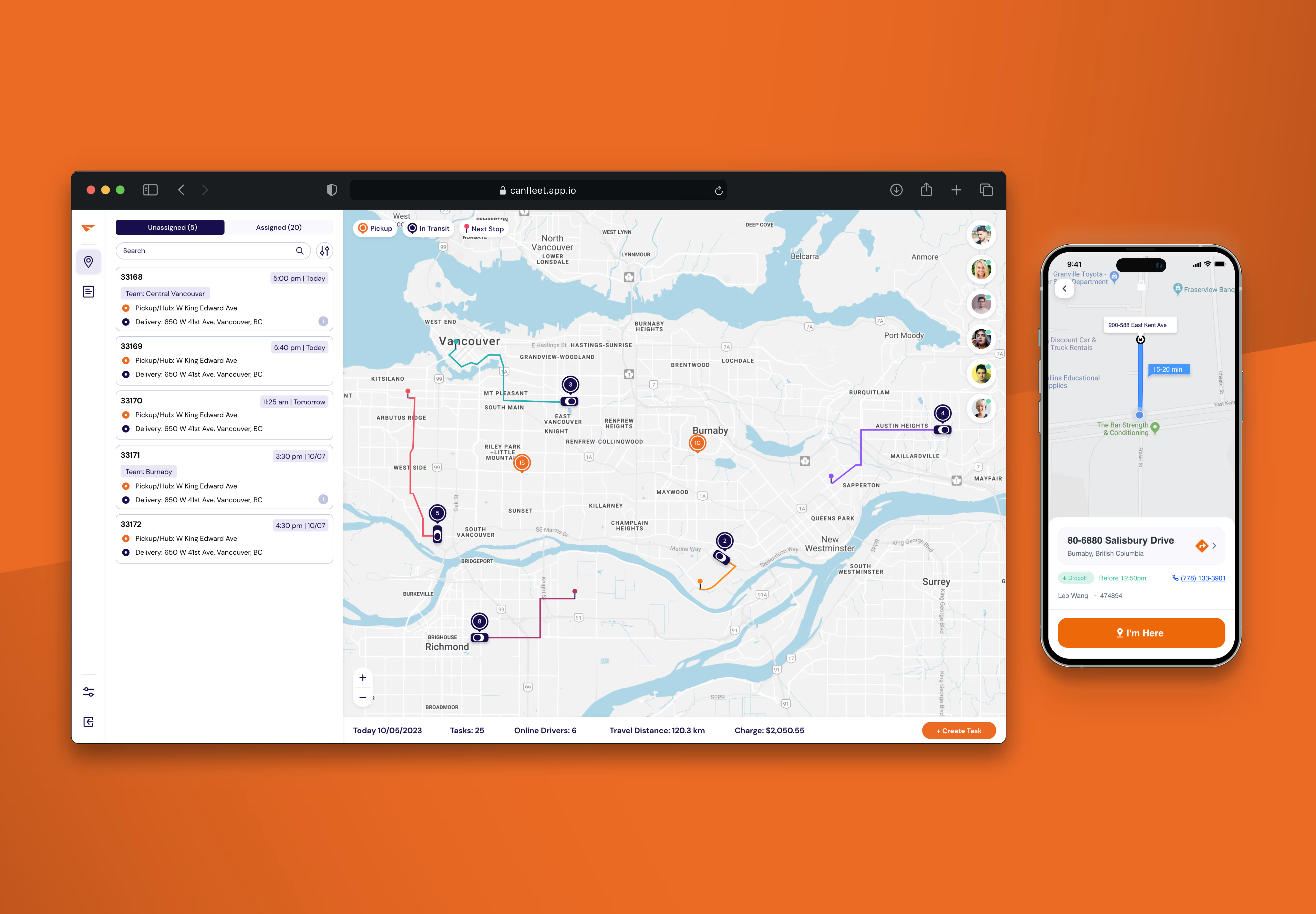
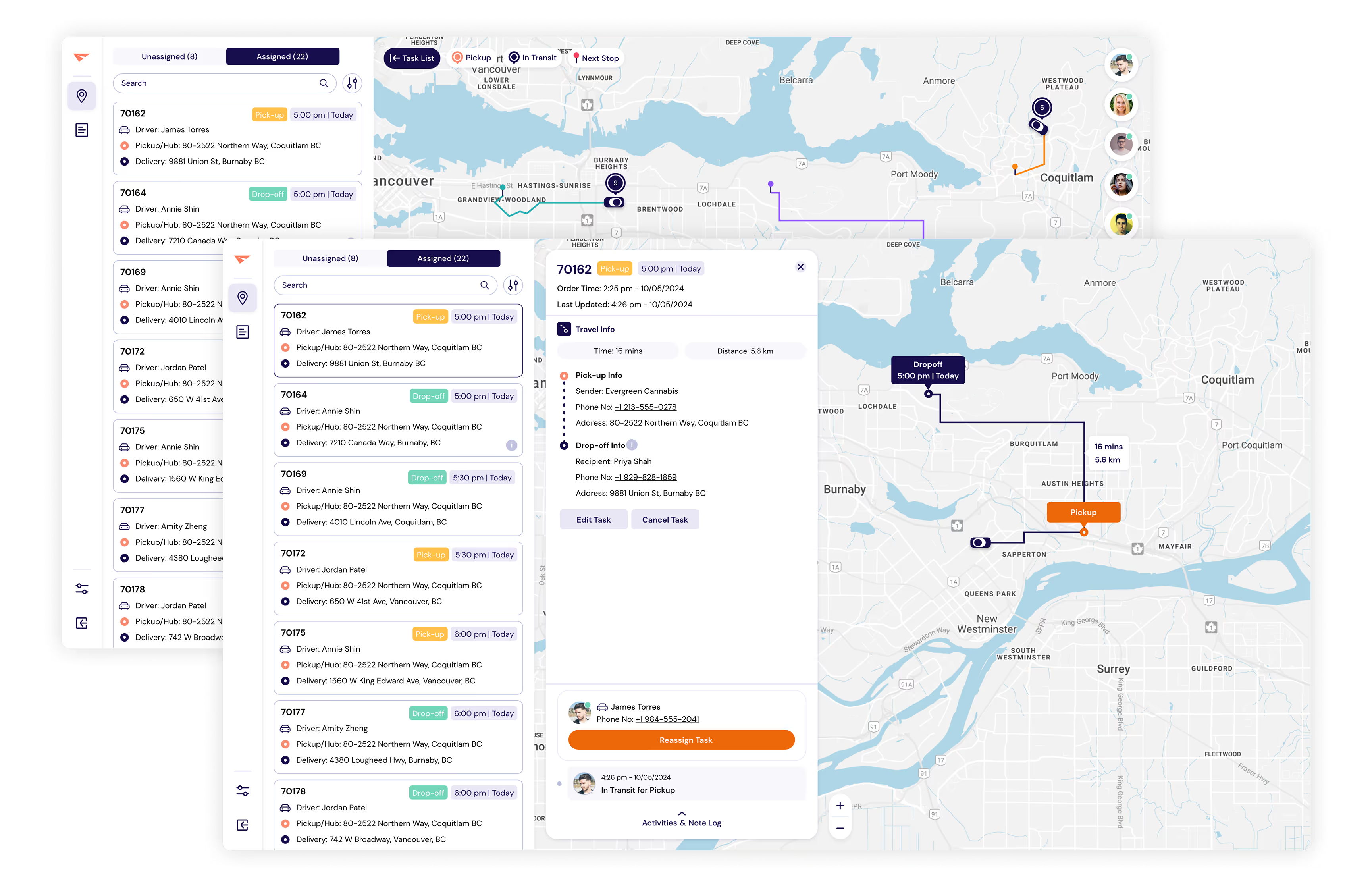
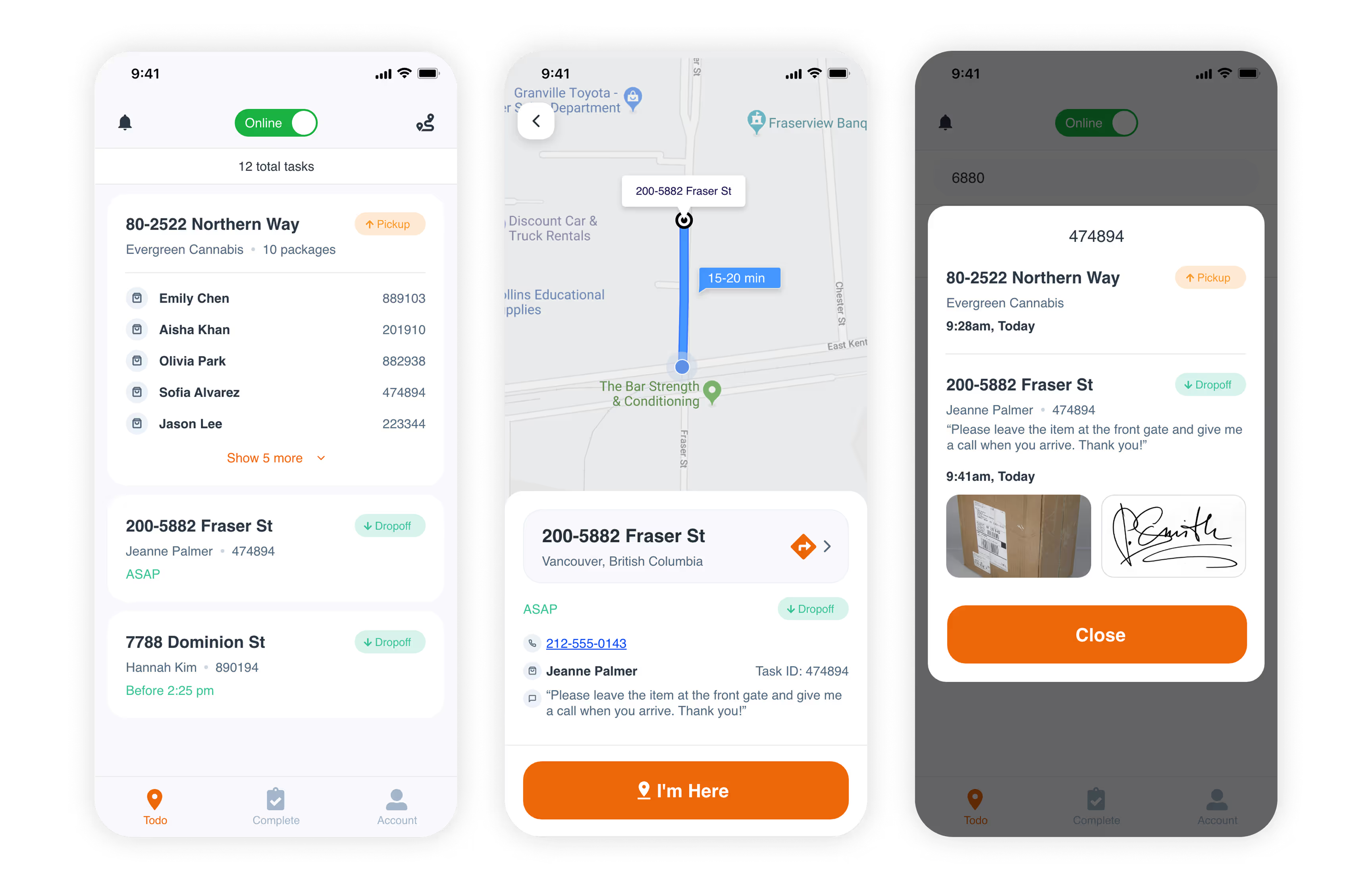
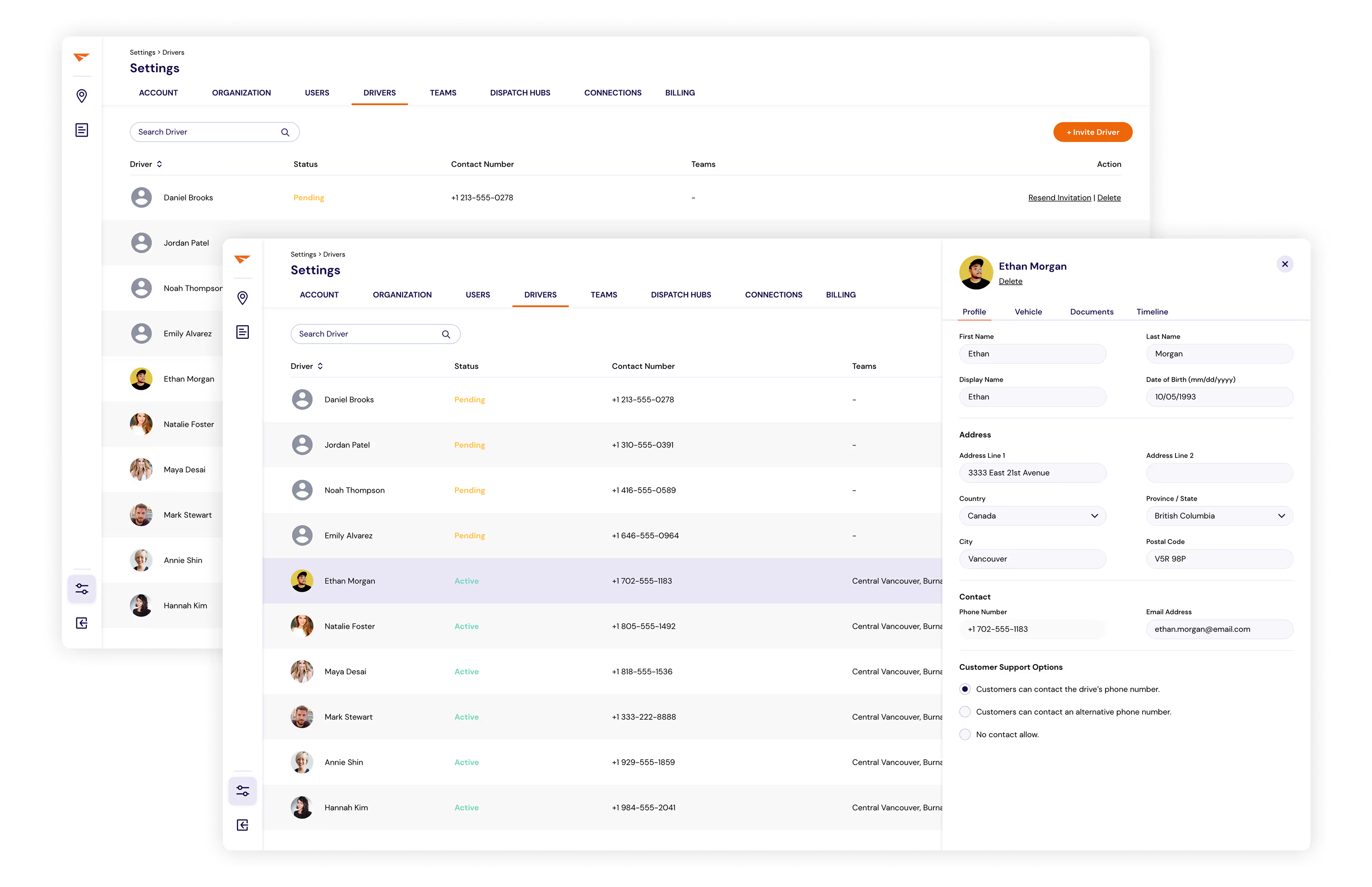
CanFleet is a last-mile delivery solution developed by Breadstack Technologies, built to help retailers manage same-day local deliveries in-house. The platform includes task automation, driver management, route optimization, and real-time delivery tracking all in one system.
As our organization prepared to retire its full-service courier operation, many clients still needed a local delivery solution to stay competitive. To address this, we repurposed an internal courier tool that was used for the service and turned it into a client-facing product, resulting in CanFleet.
User Research, User journey mapping, IA structuring, Wireframing, Prototyping, Usability Testing


Our organization initially operated a local courier service powered by an internal dispatch and delivery tool called CanTech. But as the overhead of maintaining both the service and software grew, the decision was made to phase out the initiative.
Despite this, many clients still needed a reliable delivery solution. This presented an opportunity to reimagine CanTech as a self-serve product that retailers could operate on their own.
To capitalize on this, it was critical to move quickly and deliver a new client-facing solution before fully retiring the original service.
As our focus shifted, we began by revisiting the problem space. To gain quick insights, we partnered with our Sales and Marketing team to review client data and track emerging trends in local delivery.
We found that while retailers were eager to offer fast, local delivery to stay competitive, they struggled with persistent challenges when working with third-party courier services:
Constraints and expectations were then established to ensure feasibility and alignment with our organization’s business needs:
Minimal backend changes
Maintain core branding
Offer a mobile app for delivery drivers on the go
Enable eCommerce integrations (WooCommerce, Shopify, and Breadstack)
With clearer understanding of the problem space, we set the following objectives to guide the solution:
To then effectively meet these objectives, the solution needed to address two primary user roles, each requiring tailored features and interfaces:
We then created journey maps for both user roles to visualize tasks, identify key screens, and determine which parts of the original platform could be reused or needed redesigning.


A high-level Information Architecture was later developed to clarify user flows and navigation. This also helped us prioritize and define the platform’s core features: Delivery Task Creation, Live Map Tracking and Driver Management.

To bring our ideas to life, we started by auditing the original CanTech product to assess what could be kept, modified, or removed. This audit made it easier to move into hi-fi design, using existing components to accelerate our process.


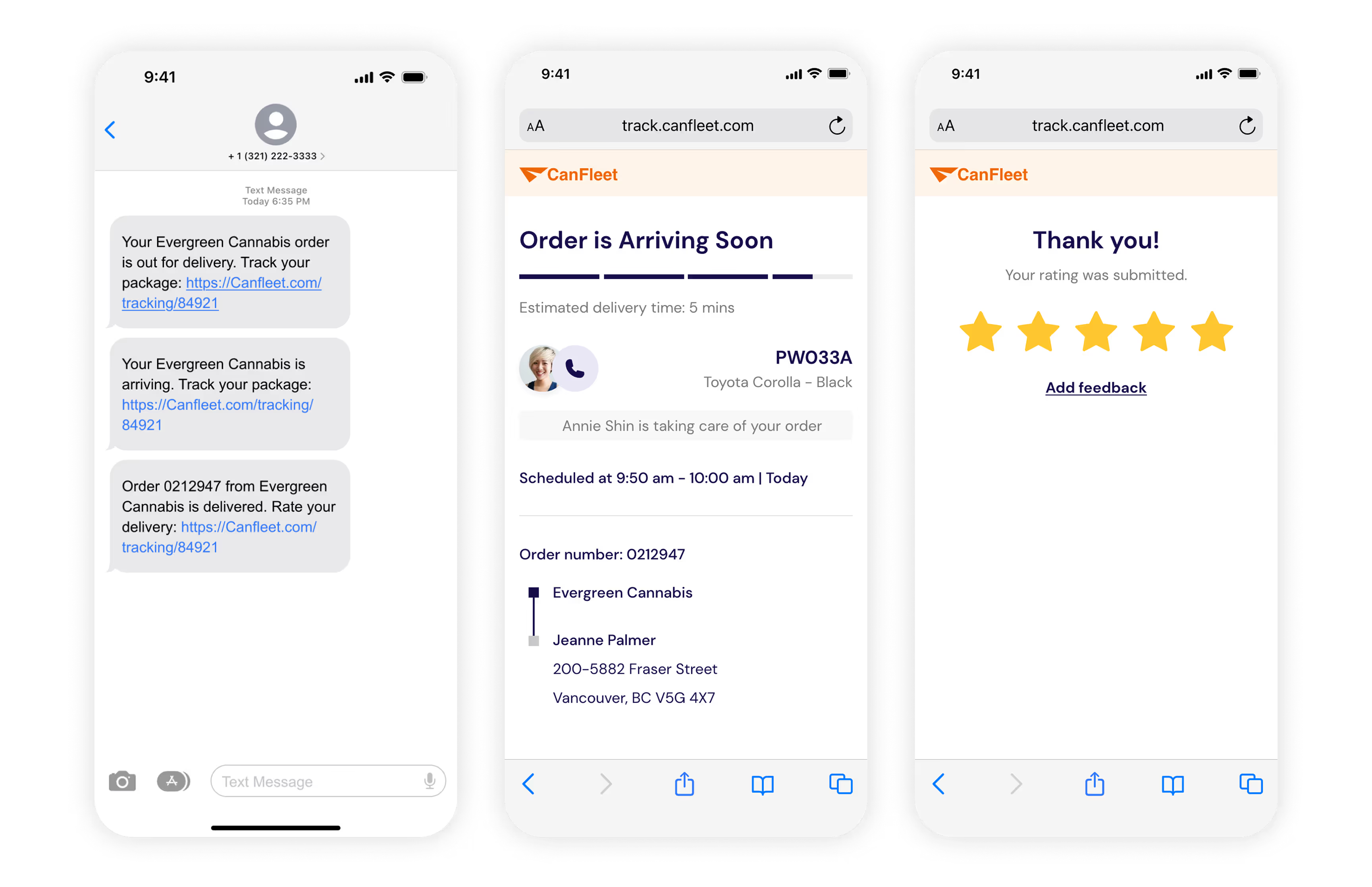
We also introduced new functionality, such as the Customer Delivery Tracker, a mobile feature that lets customers monitor their deliveries in real time via SMS and text messaging.

With limited time and resources, we prioritized internal reviews with key stakeholders instead of full-scale user testing. This gave us timely feedback while helping us maintain momentum.
The Customer Delivery Tracker, being a new feature, received the most attention. Based on feedback, we made the following changes:
Remove Message Feature: Our engineers pointed out that we don't have the scope to allow customers to message couriers directly
Add Order Confirmation Stage: We needed to include a stage in the tracker to let customers know when their order is confirmed, before a driver is assigned
Revise Progress Bar: We updated the progress bar to give customers a clearer idea of the stages they can expect before receiving their product
During this phase, the Marketing team also led a rebranding effort that renamed the product from CanTech to CanFleet, which was then incorporated throughout the product’s interface to reflect the new identity.

After incorporating stakeholder feedback and securing final approval, we moved CanFleet into development. Once launched, this made it possible to retire the old platform and provide our clients with a new solution to manage deliveries on their own.
Since launching, over half of our clients now fulfill more than 70% of their online orders using CanFleet, with delivery becoming a primary method of fulfillment.
One client reported the following within the first six months:
Clients also highlighted the ease of onboarding drivers, seamless eCommerce integrations, and greater control over their delivery operations. With CanFleet, retailers were able to offer a more consistent and reliable delivery experience to their customers.
Thanks for reading! Head back home here →